
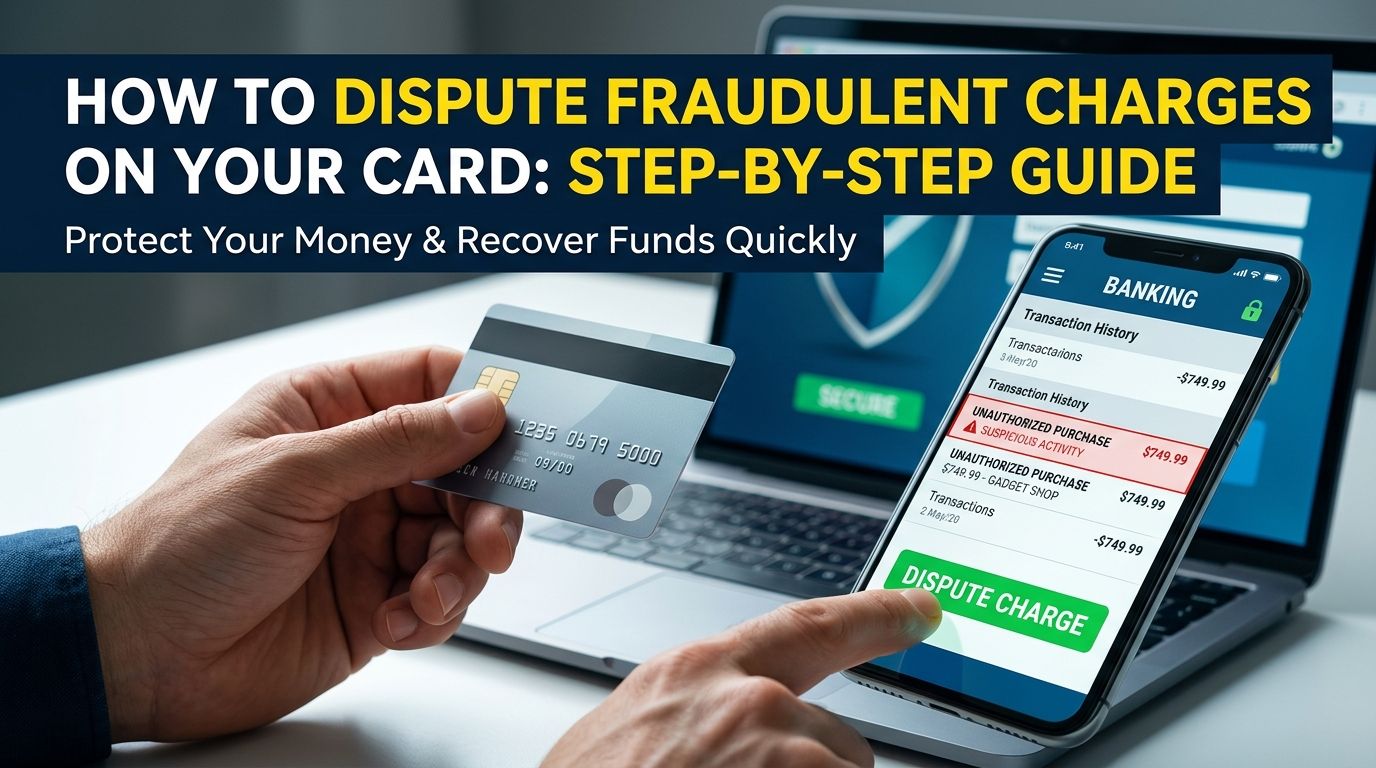
How to Dispute a Fraudulent Charge on Your Card, Step by Step
Learning how to dispute a fraudulent charge on your card statement protects your hard-earned savings from sudden digital theft. Millions of consumers discover unfamiliar transaction lines on their monthly bank statements every single year. Spotting a charge you do not recognize creates immediate anxiety about the security of your private checking or credit account. Taking fast, structured action with your financial institution improves your likelihood of getting the money returned safely. This guide walks you through the exact steps to report unauthorized activity and protect your financial identity today.
Confirm It's Actually Fraudulent First
Before calling your financial institution to open a dispute, take a few quiet moments to verify the charge details. Many transaction entries look unfamiliar because corporate parents use alternative merchant billing names on bank statements. A local coffee shop or online seller might display their legal corporate title rather than their public storefront name. Search the unfamiliar merchant name online alongside your purchase location to see if it matches a recent order.
You should also check if the charge belongs to an automated recurring subscription you forgot to cancel. Streaming platforms, gym memberships, and software trials often renew automatically after initial promotional periods expire. Ask family members or authorized card users if they completed a recent purchase using your card details. Verifying these basic details first prevents you from accidentally disputing a legitimate purchase by mistake. Confirming true fraud ensures your bank can focus directly on stopping real digital thieves.
Credit Card vs. Debit Card Disputes: What's Different
Understanding how to dispute a charge requires knowing whether you paid with a credit or debit card. Credit card transactions offer stronger built-in consumer protections under established financial regulations. When you dispute a credit card charge, your card issuer typically issues a temporary credit to your balance. The financial institution holds the disputed amount while investigating without pulling actual cash from your personal bank account.
In contrast, debit card transactions draw money directly from your active checking account balance within seconds. An unauthorized debit charge removes real cash that you may need to pay monthly rent or household bills. While banks investigate debit card claims, your personal funds may remain unavailable for several days or weeks. Reporting an unauthorized charge on my card quickly limits your personal exposure and protects your main checking balance.
How to Dispute the Charge, Step by Step
Begin your dispute process by locating the official customer service phone number printed on the back of your physical card. Never call phone numbers printed inside unannounced text alerts or direct email messages claiming to represent your bank. Scammers send fake fraud alerts to redirect your telephone call to dishonest representatives who harvest your personal passwords. Calling the number on your physical card guarantees that you connect directly with verified customer support agents.
Explain clearly to the support agent that you are reporting an unauthorized charge on your account statement. Provide the exact date, transaction amount, and merchant name displayed on your mobile banking dashboard screen. Clarify whether your physical card remains in your possession or if your physical card was lost or stolen recently. The representative will cancel your compromised card and dispatch a fresh replacement card with new account numbers to your home.
Request an immediate temporary provisional credit while the bank fraud team completes its formal background investigation. Most financial institutions credit your account balance temporarily while reviewing transaction logs and merchant evidence. Ask the customer service representative to provide an official case reference number for your records. Request a formal written confirmation email sent directly to your registered inbox to verify that the dispute file opened successfully.
Store your case confirmation number safely alongside your personal notes regarding the date and time of your call. Mark your personal calendar to review your bank balance at the end of the timeline provided by customer support. If your card issuer requests additional supporting documentation, submit those digital files immediately through your secure online banking portal. Following up promptly ensures your dispute proceeds smoothly without unexpected administrative delays.
What Happens After You File a Dispute
After you submit your claim, your card issuer initiates a formal chargeback process with the merchant's financial institution. The card network contacts the merchant to request transaction receipts, shipping records, or digital IP log files. The merchant receives a specific window of time to respond and prove that the transaction was legitimately authorized. If the seller fails to provide valid proof, the card issuer makes your temporary provisional credit permanent.
If the merchant submits documentation claiming the charge was valid, your issuer will share those records with you. You can review the merchant evidence and submit additional statements or receipts to support your secondary appeal. Keep digital screenshots of your purchase receipts, cancellation emails, and customer support chat logs throughout the investigation. Maintaining organized records gives your card issuer the clear evidence needed to settle the dispute in your favor.
Protect Your Assets After Card Fraud
Disputing unauthorized transactions quickly is the most effective way to safeguard your personal banking accounts from ongoing theft. Taking immediate action prevents digital thieves from testing your card details on secondary online shopping portals. Combining fast dispute filings with strong digital account habits keeps your hard-earned money completely secure over the long term.
If an unauthorized transaction is part of a larger security issue or account breach, you need structured next actions. You can use our free VastOutlet Crisis Action Planner at https://www.vastoutlet.com/crisis-planner to get guided steps for your exact situation. Taking a few structured steps helps you regain control over your financial life with total peace of mind.
Worried this happened to you?
Our Threat Rating Engine can analyze suspicious URLs, email addresses, or cryptocurrency wallets associated with potential scams.
Scan suspicious linkarrow_forwardProtecting Your Digital footprint
Once you have identified these threats, taking immediate action is essential. Do not delay banking checks or changing passwords. By locking down your account security policies and setting up credit monitoring blocks, you can completely isolate yourself from modern credential-harvesting networks.