
How to Spot Fake Product Reviews in 5 Easy Steps
Knowing how to spot fake reviews protects your hard-earned money when you shop on unfamiliar online marketplaces. Millions of online shoppers rely on customer feedback to evaluate product quality before adding items to their digital carts. Dishonest sellers exploit this trust by purchasing hundreds of fictional five-star ratings from paid rating networks. They use automated software and paid writers to hide broken items behind glowing customer praise. Learning to inspect customer feedback saves you time and prevents post-purchase regret. This guide breaks down five straightforward checks you can use on any shopping site today.
How to spot fake reviews by checking for repetitive phrasing
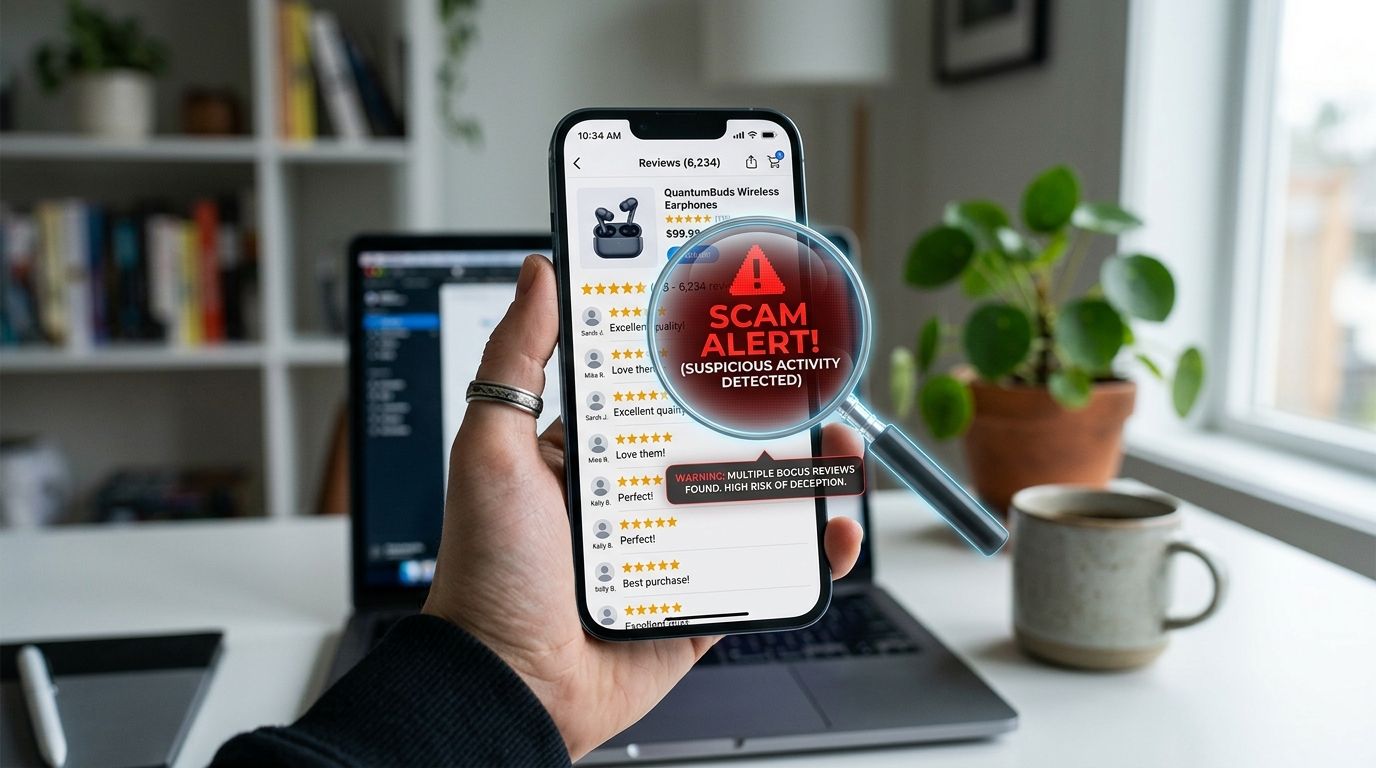
When a seller buys hundreds of artificial ratings, the hired writers rely on pre-written templates to complete their quotas quickly. You will often notice identical sentences repeated across dozens of different user accounts. They might use weird, robotic phrases that do not sound like natural human conversation. Notice if multiple posts use the exact same capitalization, unusual punctuation, or awkward product titles. Automated rating bots often copy text directly from manufacturer specification sheets to fill out required text boxes.
In addition to copied sentences, pay close attention to the specific vocabulary used in brief write-ups. Paid writers rarely test the physical item in their own homes. Because they lack hands-on experience, their comments remain generic and vague. They will write generic praise like great item or very fast delivery without mentioning specific features. Genuine customer feedback usually describes how the product fits, how it performs during daily use, or how it arrived packaged. If fifty different accounts leave identical three-word compliments, you are looking at manufactured feedback.
Why do sudden clusters of five-star ratings reveal a paid review scam?
Authentic customer feedback accumulates gradually over several months or years as real shoppers receive their packages. When an dishonest merchant launches a paid review scam, their rating history displays a sudden, unnatural spike in activity. You might see fifty glowing five-star ratings posted within a single six-hour window. After that initial wave, the product listing might show zero new activity for several weeks. This artificial concentration happens when a seller hires an external service to boost their ranking overnight.
To check for these artificial spikes, sort the product feedback menu by date rather than by top ratings. Scroll back to view when the oldest entries were published on the store. If a brand-new listing accumulated hundreds of perfect scores in forty-eight hours, step back. Real customers buy items at varying times and leave feedback on their own unique schedules. A sudden wave of identical positive entries indicates that the merchant paid for artificial ratings to manipulate search filters.
How do you verify reviewer accounts and purchase status?
Most major shopping networks assign a verified purchase tag to feedback left by confirmed buyers. This digital marker proves that the account actually ordered and paid for the item through the platform. Unverified entries mean the person never bought the item through that store. While some real buyers post without verification, a listing filled entirely with unverified entries is a major threat. Scammers create free user profiles to flood product pages with fictional praise without spending real money.
Take ten seconds to inspect the public profile of the person leaving the feedback. Click on the reviewer name to view their public history across the platform. Fake rating accounts typically show only one total review posted since the account creation date. They create the profile, post a single five-star rating for a specific seller, and never use the account again. If dozens of positive entries come from accounts with zero previous history, you are viewing a fake rating network.
How can reading critical feedback expose fake product review signs?
Paid rating campaigns exist almost exclusively to pump up five-star ratings and drown out negative experiences. Consequently, analyzing two-star and three-star feedback provides the fastest way to discover real product flaws. These middle-tier ratings are usually written by real customers who tested the item thoroughly. They describe specific issues like weak seams, incorrect sizing, or poor battery performance. Reading critical feedback helps you understand what to expect if you buy the item.
When inspecting critical entries, watch out for fake product review signs that show the seller is suppressing complaints. If a product has thousands of five-star ratings but zero two-star or three-star entries, be extremely cautious. Real products almost always receive a natural mix of feedback because customer preferences vary. If every single entry offers flawless praise, the merchant is likely deleting negative comments or paying for rating boosts. Checking middle-tier ratings exposes the physical reality of the product behind the marketing claims.
How do you cross-check products on independent review platforms?
Knowing how to tell if reviews are fake requires comparing information across multiple independent websites. Dishonest sellers control the feedback displayed directly on their personal web pages. They can easily hide negative comments, alter star ratings, or generate fictional testimonials on their own servers. To find truthful feedback, search for the product or brand name on third-party consumer protection websites. Independent platforms do not allow sellers to edit or delete customer complaints.
Open a new browser tab and type the business name alongside words like complaints or reviews. Look for independent forum discussions where real shoppers discuss their experiences with the merchant. If an online shop displays five stars on its homepage but faces hundreds of complaints on independent forums, walk away. Legitimate businesses maintain consistent ratings across external platforms. Cross-checking merchant details takes two minutes and stops you from sending cash to fraudulent storefronts.
What to Do If You Suspect Fake Reviews
If you spot fake feedback on a product page, pause your purchase immediately. Inspect the seller's main storefront page to see if their other product listings display identical rating patterns. Check how long the business has operated online using free public domain tools. Fraudulent sellers rarely maintain web domains for more than a few months before shutting down.
Be extra cautious when suspicious ratings appear alongside high-pressure sales tactics on the page. Fake stores frequently pair inflated star ratings with flashing countdown timers or low stock warnings. They use these artificial pressure tactics to force fast decisions before you inspect the feedback closely. If a deal feels forced and the feedback looks artificial, close the browser window immediately.
Protect Your Money from Fake Ratings
Evaluating customer feedback requires staying calm and checking reviewer profiles carefully. Scammers depend on fake stars, artificial urgency, and manufactured praise to convince you to hand over your cash. When you know how to inspect dates, verify buyer tags, and read middle-tier comments, you shop with total confidence. Never let a five-star rating force you into buying from an unverified merchant.
You do not have to guess whether an unfamiliar online store is safe to use. You can test any suspicious web address or merchant page using our digital safety tool before buying. Visit the VastOutlet Threat Rating Engine at https://www.vastoutlet.com/rating-engine to scan unverified store links today. Taking a few seconds to run a quick safety check keeps your hard-earned money completely secure.
Worried this happened to you?
Our Threat Rating Engine can analyze suspicious URLs, email addresses, or cryptocurrency wallets associated with potential scams.
Scan suspicious linkarrow_forwardProtecting Your Digital footprint
Once you have identified these threats, taking immediate action is essential. Do not delay banking checks or changing passwords. By locking down your account security policies and setting up credit monitoring blocks, you can completely isolate yourself from modern credential-harvesting networks.